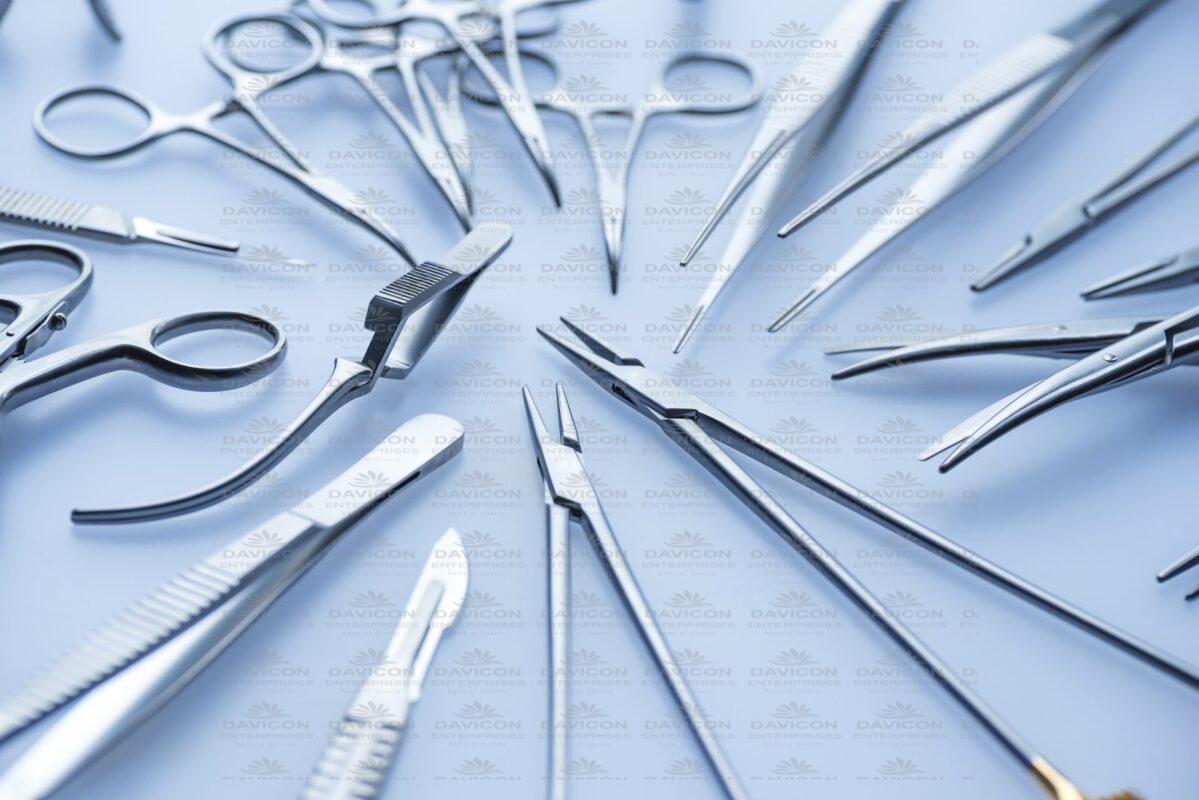
Otolaryngology or ENT surgery is the surgery dealing with ears, nose and throat disorders. Diagnosis and treatment of these sensitive regions of the body are not supposed to be done rashly. This is the reason why ENT surgical devices have been specially fabricated to offer precision, safety and efficiency to surgeons and also to patients. Basic outpatient surgeries to complicated microsurgeries, ENT equipment is essential towards the achievement of good results.
Why Specialized ENT Instruments Matter
ENT instruments cannot fit all sizes. The anatomy of the ear, nose and throat is delicate and minute hence requiring equally sensitive machines. When the right tools in ENT surgery are used, tissue destruction is minimal, it is precise, and the healing occupies a short duration. No matter whether you do a tonsillectomy or a angioplasty, the correct instrumentation contributed everything to patients safety and success of a surgery.
Diagnostic ENT Instruments
Proper diagnosis is needed before commencing the treatment. ENT diagnostic equipment assists the doctor to examine the structures inside the body and examine the problems accordingly.
Some of the usual ENT diagnostic requirements are:
Scopes: Scope is used to look at the ear canal and the eardrum.
Nasal speculum– Discloses the nose opening so that inspection can be done.
·Laryngeal mirror – it aids in seeing the larynx and the larynx folds.
Tuning forks Tuning forks are used in simple hearing tests.
They are mostly applied both in clinics and surgical offices to get the matter rightly diagnosed first.
Precision Instruments of Ear Procedures
Due to the delicacy of the anatomy in the ear, the ENT surgical instruments used in ear surgeries are very precise. These include:
Ear speculates To dilate the ear canal when checking inside or when operating.
Tracheotomy knives: they are applied to cut eardrums.
· Cultures and suction tips -to get rid of waxes or debris.
Micro ear forceps and scissors- To perform small operations on microsurgery.
Such ENT tools or their procedures are designed in such a way that does not harm the hearing mechanism and at the same time ensures that all procedures are done accurately.
Instruments for Nasal Procedures
Nasal surgeries are conducted when a patient suffers sinusitis, nasal polyps, or a shift in the distance of the septum. The frequently used ENT instruments are:
Nasal speculates To unblock the nose.
·Bayonet forceps-To put in nasal packing or to remove it.
Freer elevator- Assists to raise mucous when performing a septal surgery.
Blacksnake forceps- The forceps that are used in removing tissues during the endoscopic surgery.
These instruments provide control and visibility even in tight quarters which is vital in the nose surgeries.
1Instruments for Throat Procedures
ENT surgical tools have a specific set that is used in the area of the throat depending on whether it involves a tonsillectomy, appendectomy, and laparoscopy.
Tonsil snares and scissors- To extract tonsils.
Adenoid curettes Adenoid curettes For scraping adenoid tissue.
Laparoscopy To see and reach the larynx.
Re tractors- To retract tissues and enhance clear view.
Such ENT surgery instruments make the process of surgery smooth, safe, and efficient.
Common ENT Surgical Sets
ENT surgical sets utilize several needed tools into a bundle of instruments that come together according to a type of procedure. For example:
Tonsillectomy Set-Contains tonsil scissors, snare as well as forceps.
Tracheotomy Set- Has knives, speculates and suction tips.
Endoscopic Sinus Surgery Set – This contains forceps, elevators and scopes.
ENT surgical sets are time-saving in the operating theater where one can have preparations to perform special treatment all the required equipment.
ENT Instruments: Reusable vs Disposable
There exist reusable and disposable ENT tools, with its advantages:
Entrepreneurs instruments are made of high quality stainless steel ideal to be utilized in the long term providing the instruments are taken care.
·Disposable ENT equipment-The equipment is single-use and pre-sterilized so the risks of cross-contamination are minimized.
Hospitals and clinics tend to employ a combination of the two, based on budget, type of procedure to be done and infection control policy.
Sterilization and Handling Guidelines
ENT surgical equipment should be sterilized properly to avoid infections and performance.
The most prevalent way of reusable tools is autoclave.
Instruments should also be cleaned as soon as they have been used so that they do not corrode or accumulate.
Before use is important to perform an inspection in order to exclude the damage or wear that can jeopardize the safety of the patient.
Careful handling of ENT equipment increases its lifespan and upholds the quality of surgery.
Conclusion
The necessary tools in the examination and management of ear, nose and throat disorders are the ENT surgical instruments. They are designed in a specialized manner to help in precision, safety and effectiveness in most ENT procedures. Regardless of whether you run a small clinic or a full-out hospital, making the correct decision to choose the type of ENT tools whether you need diagnostic, surgical sets or disposable tools, may greatly affect the patient outcomes.