One thing always seems to be in common in the success of any surgery, and it is in the hands of the right tools. It does not matter whether it is an ordinary or a complex surgery, the quality and readiness of the surgical instruments directly determine the outcome. Properly equipped operation theatre can not only assist in surgical desired effects (accuracy), but also make the patient safe and assure timely efficacy of the procedure.
The following blog lists the 10 most fundamental surgical instruments that any operating theater should possess because of the true surgical requirements and the prescribed standards of the profession. Being a team of people who have several years of experience in manufacturing and supplying surgical tools, we understand perfectly well what healthcare professionals need.
Davicon Enterprises will be your partner when you require quality surgical instruments in USA, UK and globally. We provide a variety of professional, well-tailored tools, used by the world professionals.
Scalpel – The Precision Cutter of Every Surgery
One of the very first instruments that a surgeon can reach out to is a scalpel. It is small, sharp and has been made to cut clean and accurate incisions to the skin, and other soft tissues. Although it is simple in design, it forms a major part in any surgical set up.
The interchangeable scalpel blade is more sustainable, and cost-effective to replaceable, scalpel handles
Common Uses:
General operations (hernia repair, appendix removal)
Plastic surgery
Orthopedic and cardiovascular surgery
The best scalpel with high quality minimizes damage to tissues and makes the healing process achievable in a shorter period. This is why surgeons are confident in the use of such sets of instruments as they are sharp and balanced.
Surgical Scissors Types & Use
Surgical scissors are crucial utensils that are applied in nearly all medical procedures, be it general surgery, plastic surgery or even the tiniest wound dressing. They are principally divided into two classes as cutting scissors and also dissecting scissors both having definite surgical requirements.
Cutting Scissors
Cutting scissors are used to cut something by cutting sutures, gauze, or a soft tissue. They exert a precise, crisp smooth cut minimizing trauma and bleeding. These type of scissors have straight or curved blades and one can easily operate them in normal processes.
Dissecting Scissors
To enable spreading of tissues without any unnecessary destruction, dissecting scissors are applied. They are used more by surgeons when doing more delicate jobs. They tend to be longer and shaper and are able to precise control in soil depth.
Common Kinds of Surgery Scissors
Mayo Scissors
The Mayo scissors are made strong and predominantly cut denser tissues like fascia, muscle, or ligaments. They are provided in straight form, used on the surface, and the curved form to reach the deeper parts.
Metzenbaum Scissors
These are thin and long as compared to Mayo scissors and they are perfect in cutting delicate tissues. Their serrated edges and small sharp edges allow them to be more precise during soft tissues surgery.
The two kinds of the scissors are important in making the surgical operations efficient and safe. The surgeon selects instruments based on the procedure, the type of tissue, and, like it or not, their own subjective preference.
Grasp & Clamp Surgical Forceps
A surgical instrument becomes essential where forceps are concerned because they are necessary to hold, manipulate, or apply pressure on tissues or vessels. Manufacturers produce two main functional types of forceps grasping and clamping each designed to perform a specific action
Grasping Forceps
Surgeons use them to hold or fix tissues during operations.They provide a stable hold without any harm. Grasping forceps are of non-locking nature and precision handling forceps. Surgeons apply them in activities such as lifting tissue, washing away debris, or sewing.
Clamping Forceps
Blood vessels or tissues are compressed to aid control of the bleeding using clamping forceps. They also usually have a locking (ratchet-) system, to retain pressure throughout procedures. These play important role in cases of surgery where rapid hemostat is required.
Ordinary Surgical Forceps
Tissue Forceps
Surgeons use these to hold soft tissue. Some have teeth for a better grip and are commonly used in suturing or dissection
Schematic Forceps
Surgeons use these forceps to clamp blood vessels and prevent bleeding, making them indispensable in almost any surgical environment. Common examples are of mosquito and Kelly forceps.
With forceps, there is a sense of control, stability and safety in the day of operation. With the right type of choice, the smooth performance of the surgical tasks and the minimization of complications happen.
Needle Holders: Stitch in Control
Needle holders are the calm hands behind each accomplishment of a suture. Surgeons use them to hold and move the needle through tissue to stitch it together
They are different, unlike forceps, they have a firm locking mechanism holding the needle at rest when moving.
You Will Find These Types Popular in OR:
Mayo-Hegira: heavy and super common. It is ideal when performing general suturing, particularly in thick tissues.
Open-hearted – the daughter of multi-tasking!It also includes built-in scissors, allowing the surgeon to stitch and snip without changing tools
Suturing needles are faster, clean and controlled with the need holders. These tools really work in the profession in which precision is the most important i.e. in the world of surgery.
Tractors: Accuracy in Exposures
The tractors are very essential to the surgical efficiency. They help the surgeons have visibility and access to operate with precision by retaining tissues and organs.
Types include:
Handheld Tractors: Surgeons operate these manually and use them for procedures that are either quick or performed on the surface
·Self-Retaining Tractors -Lock during long procedures so that you can not use too much assistance.
Regardless of the intricacies of the operation, the tractors ensure you counter obstruction, and thus keep the field stable amidship moments when a lot is at stake.
Surgeons operate suction apparatus to remove excess blood, fluids, and debris from the surgical area, maintain a clear view, and lower the risk of contamination.
Such are common types as:
Yankauer Suction Tip: They are ideal in general surgeries; they are hard and effective.
Poole Suction Tip: Surgeons largely use this large-volume suction tip in abdominal surgery.
It is essential to have a reliable suction system that ensures continuity of visibility, operating tidiness, and accuracy of the surgery.
Clamps and hemostats: leverage the leverage:
Control Under Pressure
Surgeons use these tools to control bleeding and handle tissue or vessels during surgery. Without them, no surgical establishment can be complete.
Key variations:
Mosquito Hemostats: Suitable to fine vessels in the small procedures.
·Kelly Clamps- are commonly used in medium sized vessels.
Kosher Clamps: It has teeth to clamp on more harder a tissue.
The control of blood loss becomes challenging without the help of reliable clamps and hemostats these are the ultimate first line defense.
Towel Clamps and surgical Drapes
In surgical technique, it is very important to maintain sterile field.Surgical teams use drapes as protective covers to shield the patient and surrounding surfaces. These curtains, made of fluid-resistant or absorbent material, block microbes from entering the surgical site.
In order to fasten these cloths to the setting, there are towel clamps. The clamps such as the Backhaus or Lorna (non-perforating) towel clamps hold the drape lightly but firmly and fasten it to the skin or drape stand of the patient. Their structure makes sure that there is minimum tissue damage and stable grip during the procedure.
This combination plays a crucial role in controlling infections, which is why both are essential in any sterile setup.
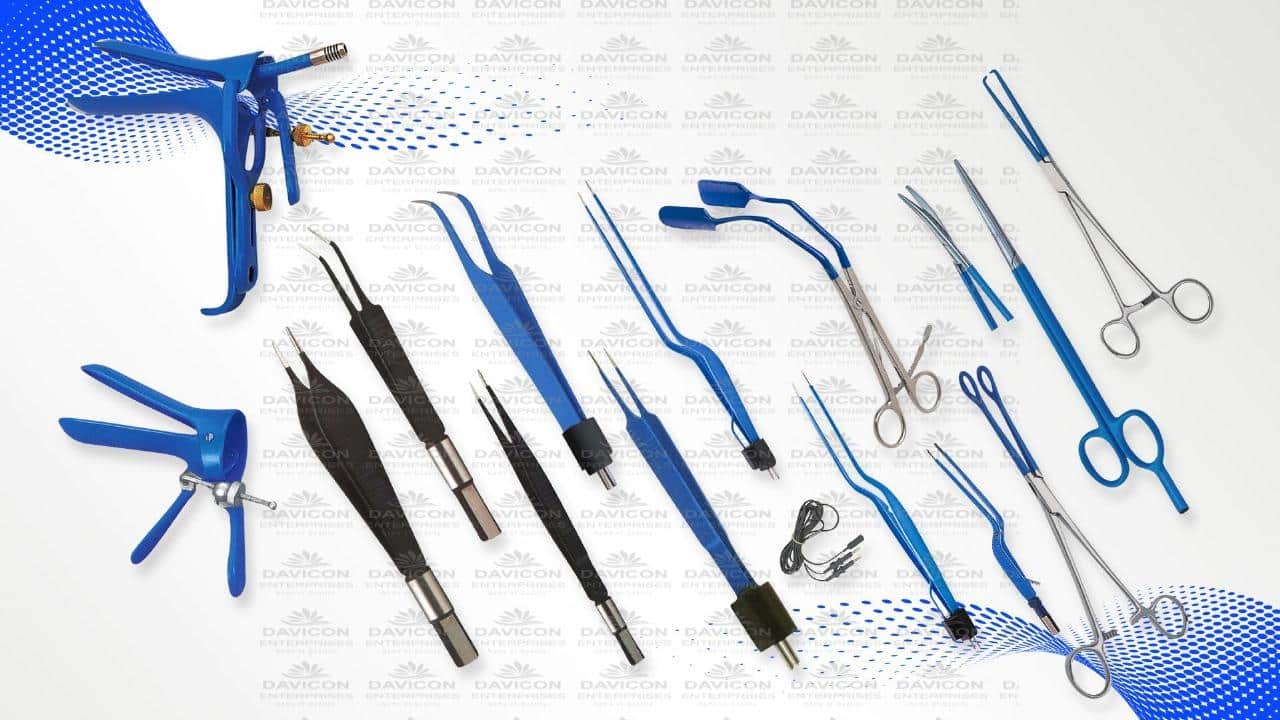
Electrosurgical Instruments
Surgeons use electrostatic requirements to cut tissue or manage bleeding with the help of high-frequency currents. These instruments create exact surgical control and can have effective use in minor and major surgeries with very less blood loss.
Two major modes of operation occur:
Monopolizer:The surgeon passes an electrical current between the headpiece and a grounding pad on the patient, ideally using it for deeper tissue cutting.
Bipolar: The surgeon passes current between the tips of a forceps-like device, making it more accurate and less risky in sensitive areas
Electrostatic pencils, coagulation forceps, and loop electrodes are the common instruments. A surgeon selects the appropriate mode and tool based on the objective and the characteristics of the tissue in the surgical field
Electrostatic instruments help to increase efficiency and reduce bleeding and facilitate a quicker recovery rate of a patient, which is why they have been becoming the foundation of modern operating rooms when used properly.
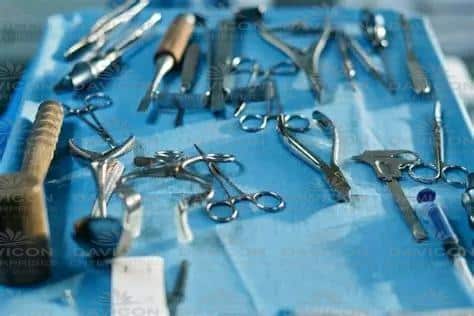
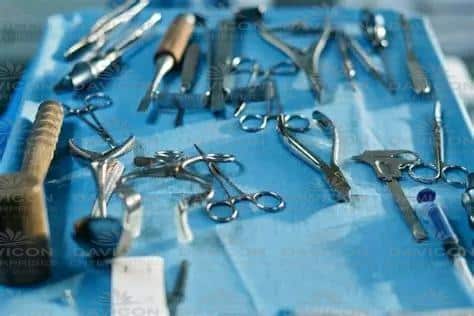
Surgical Trays and Containers
The functions of surgical trays and containers are important in arranging and cleaning the surgical equipment in terms of sterilization and transportation in clean conditions.Designers devise these systems to exceed the hygiene requirements of operating rooms, reduce the chances of contamination, and enhance workflow in the surgical environment.
Surgical trays may be constructively of stainless steel or in high-grade polymers and they usually have custom openings or compartments where the instruments are kept in firmly. This does not only secure fragile instruments, but also hastens the process of identifying and accessing instruments in procedures.
The sterilization containers, These containers maintain a sterile barrier because their design includes filters, tamper-proof plastic locks, and a secure sealing method that keeps instruments sterile until use. Users can reuse these containers, making them more economical than single-use wraps.
Conclusion
Surgical trays and containers actively make procedures safe and efficient while helping hospitals maintain standards by keeping Surgical instruments well organized, sterile, and ready for use when needed Medical professionals must know surgical instruments to maintain precision, safety, and efficacy in any medical environment. Whether they are scissors or any other cutting tools (scissors) or different grasping instruments (forceps and clamps), they have their specific functions in surgical operations. The tools used to sterilize, storage devices, and electrosurgical gadgets also offer an easier and hygienic operation process