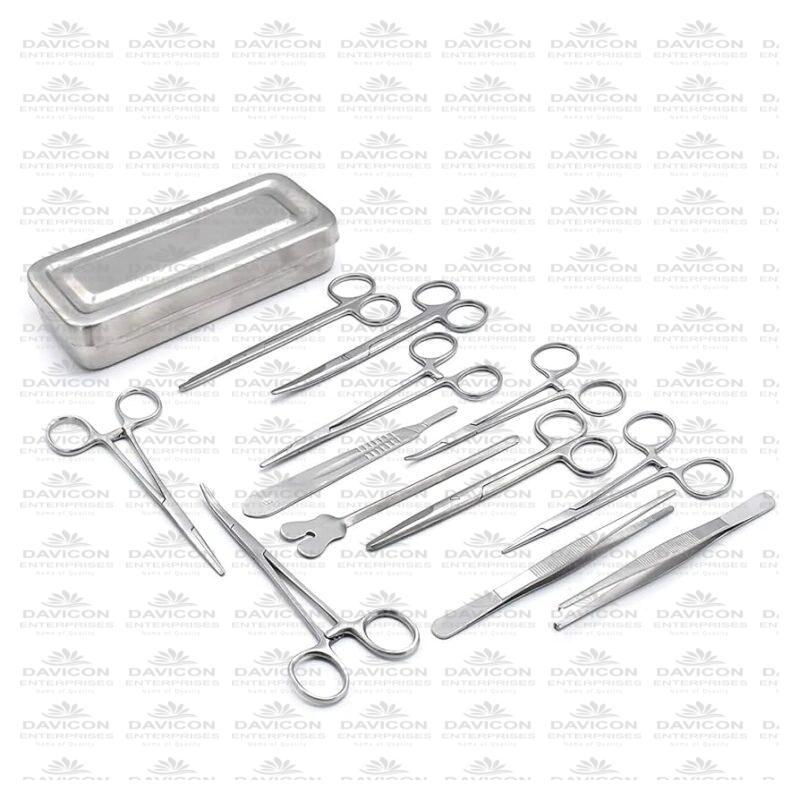
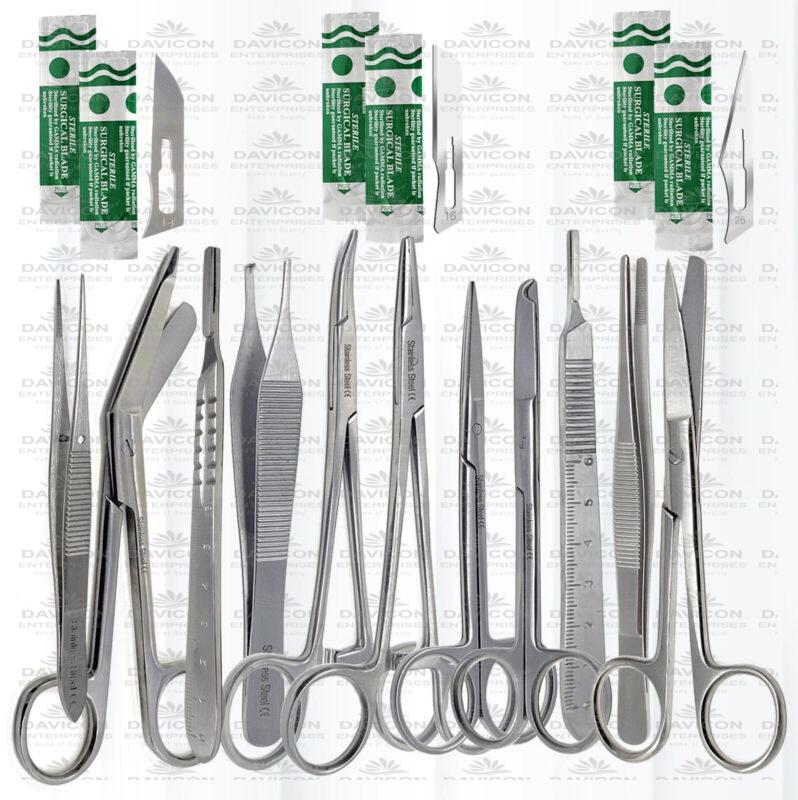
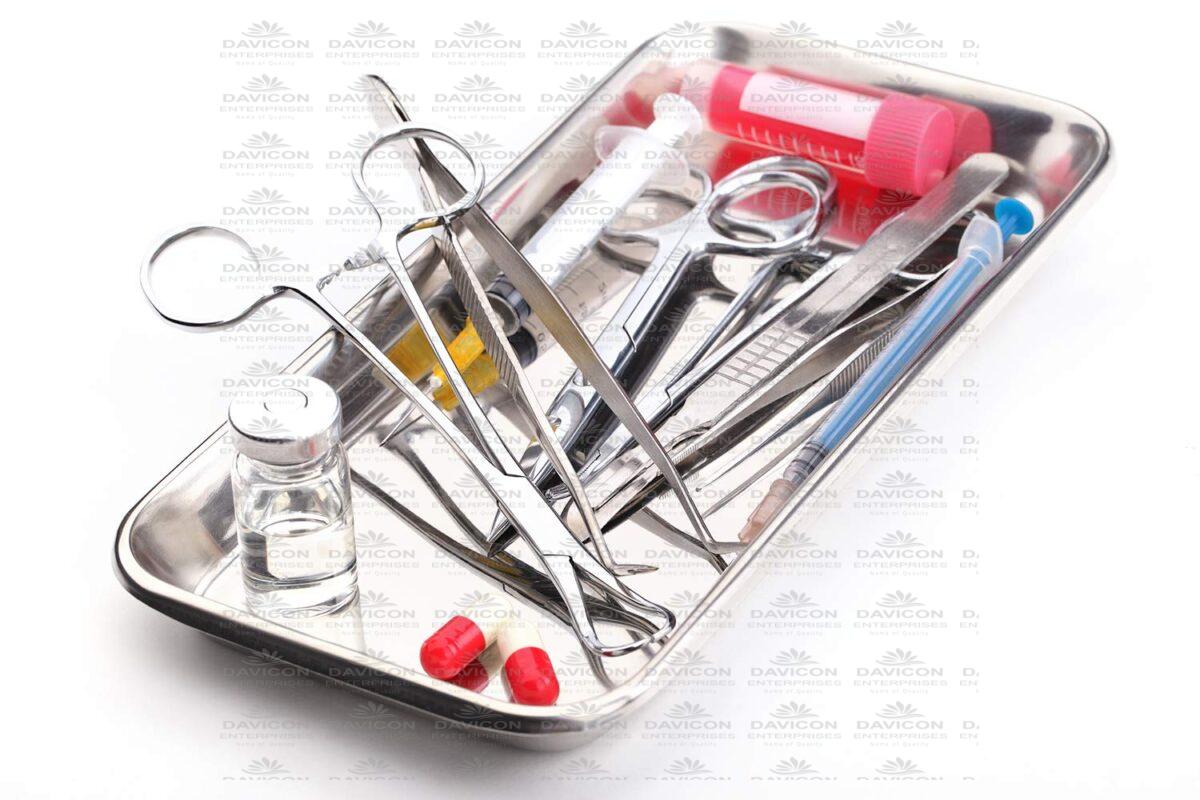
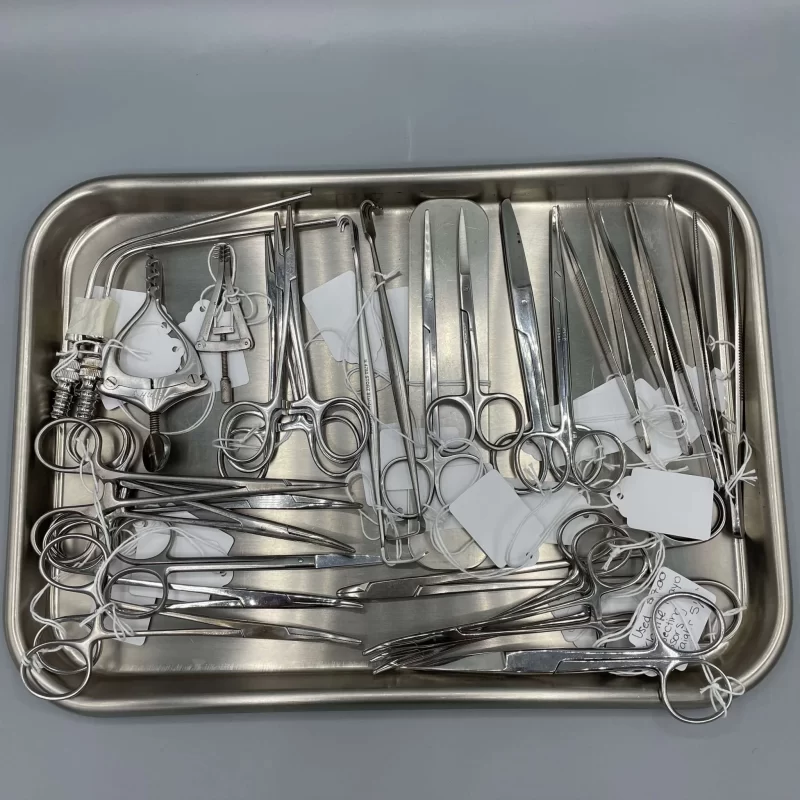
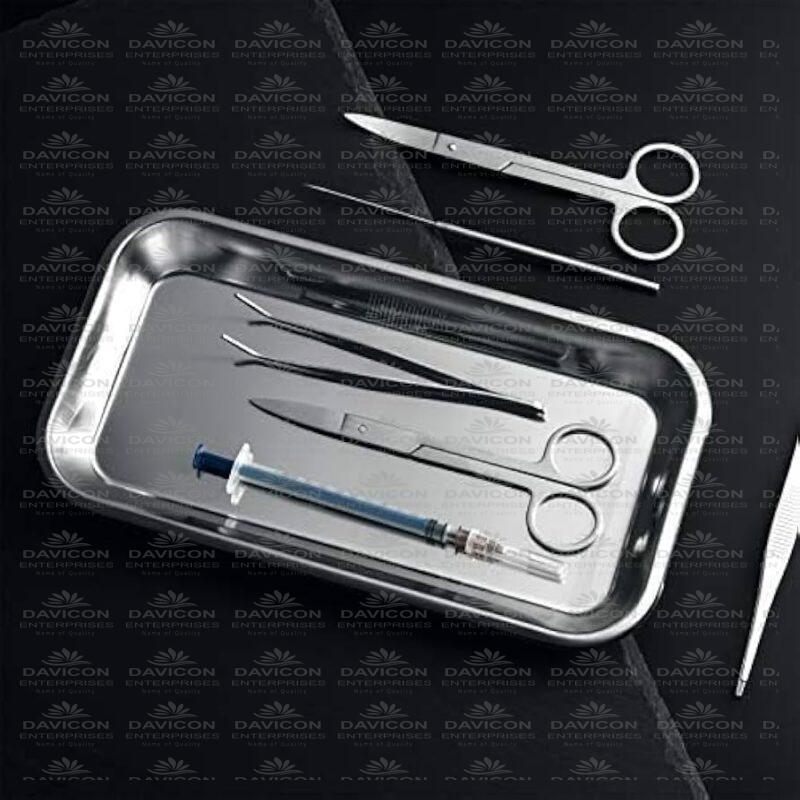
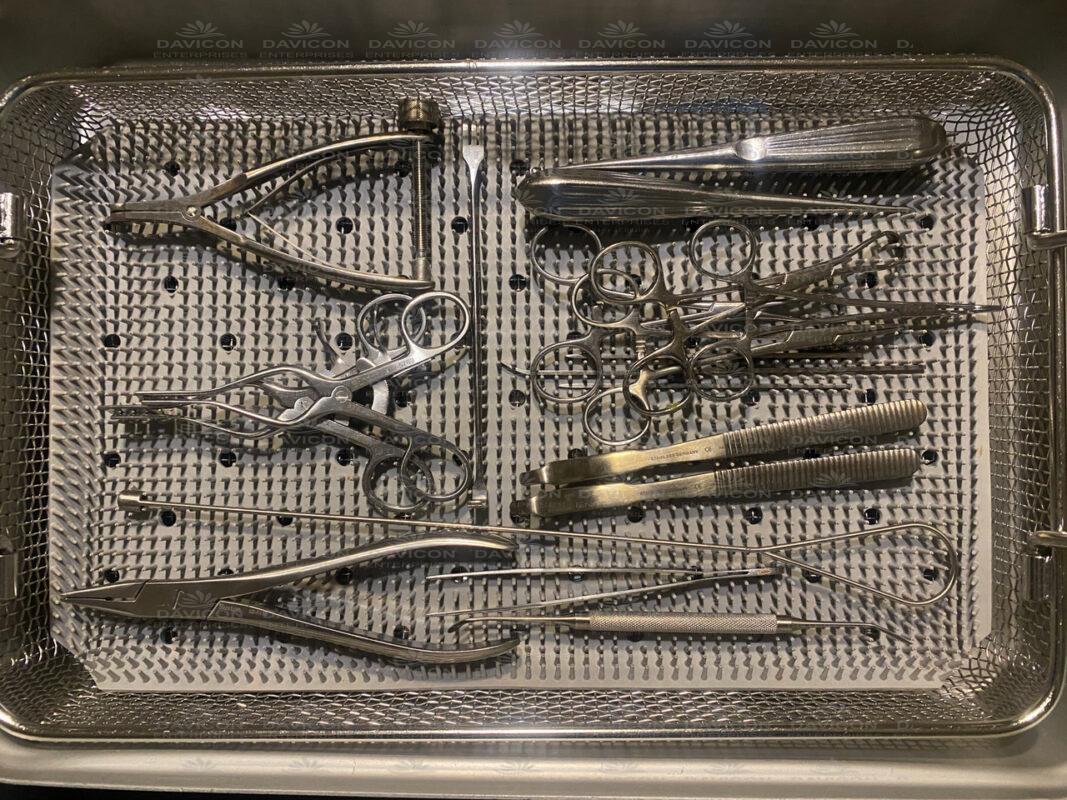
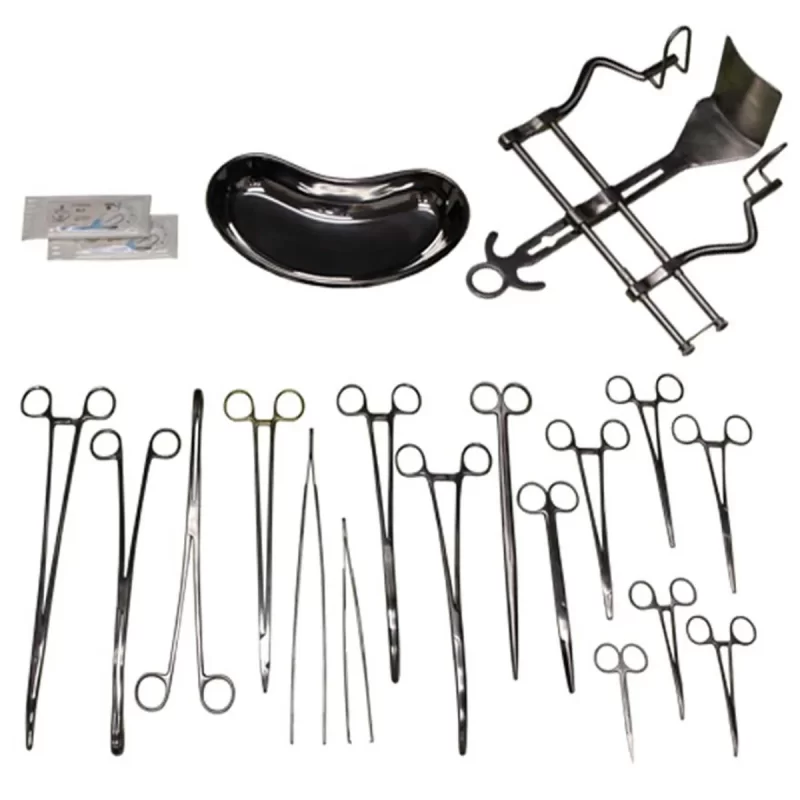
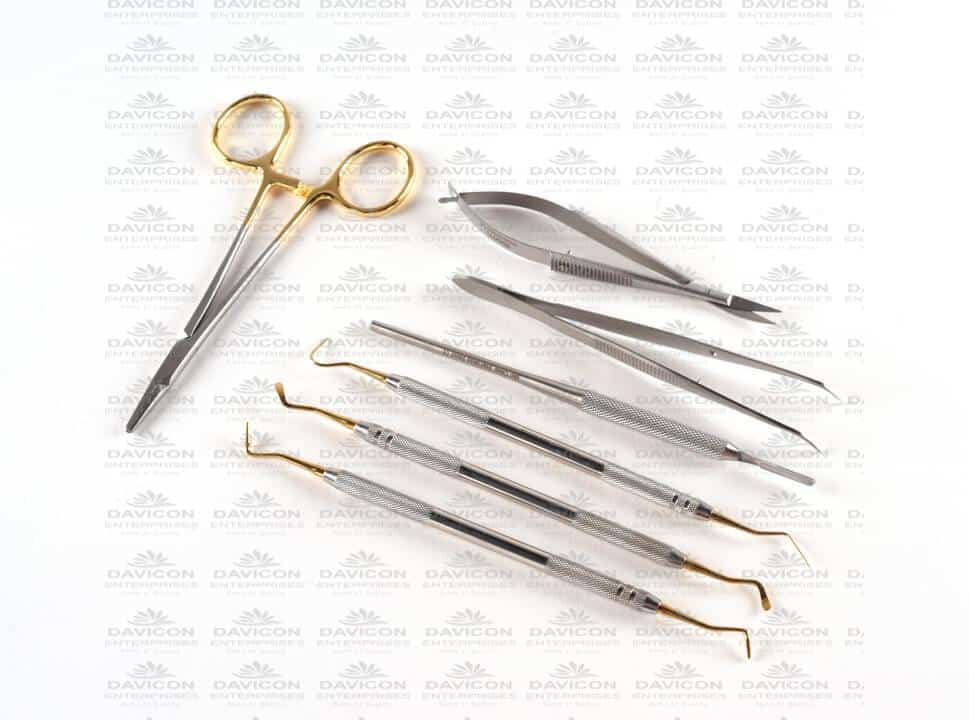
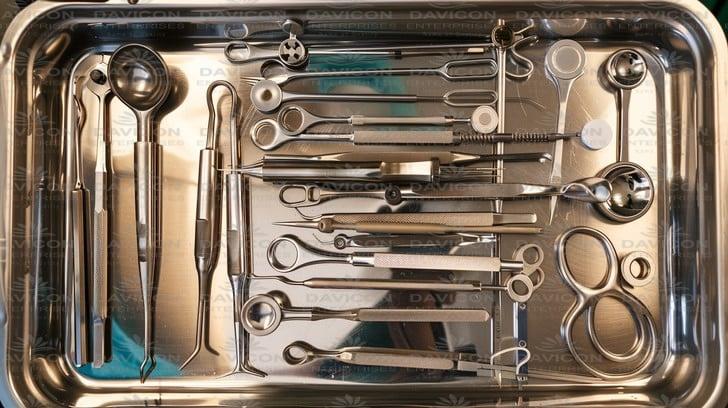
In all the medical procedures, surgical instruments are crucial be it when closing a small wound, or during complicated surgery of the organs. These tools are designed to deliver precision, ensure safety, and enhance operational efficiency .As a medical student, a practicing surgeon, or even one establishing a clinic, having an idea of the variety of surgical equipment and what they do will act in your benefit when making better decisions regarding the correct equipment.
Surgical instruments in essence are classified into what they perform cut, hold, clamp, retract or even measure. Each tool is designed for a specific purpose, ensuring medical interventions are efficient and infection-free. The guide will assist you to get to grips with the main categories of these things and their practical usages without tapping you with techie jargon
.Classification of Surgical Instruments
There is a classification of surgical instruments according to their use during the surgery. All of them have different functions and each of them serves a purpose of being accurate and controlled in the operating room. The most convenient classification of these tools is on the basis of interaction with tissue, fluid, or other instruments.
In case of usage, there are usually two categories of tools. There is a disposable type which is of high standards and sterilized after every operation. The other type includes disposable tools, often used in fast-paced or single-use environments where sterilization isn’t possible.
The majority of professionals sort instruments into groups which are cutting, grasping, clamping, retracting, and probing, and measuring. Such groups are handy in the production of surgical sets or when deciding which instruments to use in a given medical speciality.
If you’re interested in devices classified by medical specialty, explore our full selection of general surgery instruments available on our site.
Dissecting and Cutting Instruments
There are cutting and dissecting tools that are important in nearly all surgeries. These are applied in making incisions, interesting the tissues or eliminating damaged segments. They are made in sharper edges and accuracy so that the excess can be limited to damage other areas.
The most common instruments used in this category include surgical scissors, scalpels and the bone cutters. Scalpels have sharp blades and can be applied at the beginning of a procedure with the purpose of clean cuts. The surgical scissors have various shapes to suit the nature of work (surface and internal tissue surgery) but have advantages of giving more control to the surgeon. Bone cutters are more potent implements used in clearing firm objects such as bones in orthopedic or reconstructive operations. Our selection of products with plastic surgery instruments also contains high-precision instruments, because many of them are also classified in this section because of working with fragile body tissues and cutting them. Applications of Surgical Cutting and Dissecting Instruments
Cutting accurate skin, tissue or organ incisions
Parting or cutting the structures of the body
cleaning away damaged or unwanted tissue
The severing of suture or bone in repairs done surgically
Imagining and Sizing Techniques
Knowledge and retention of instruments assist surgeons to control tissue or any other instruments during operations. The tools are made in such a way that they can offer a sturdy non-destructive grip where they can enable you to make accurate movements without slip-ups.
Examples seen on a regular basis are forceps, needle holders and tissue holding clamps. The forceps are designed in a number of types and are applied to hold skin and organs or sterilized dressings. Needs holders are designed specifically to support the needles during suturing. Which helps in holding the needle in such a way that the hand does not get tired as it removes its burden. Clamps, however are used to fix soft tissue without subjecting them to undue pressure or trauma.
Instruments of this category are essential when it comes to delicate procedures like hair restoration. View our specialized line of hair transplantation tools to give a consistent grasp with little destruction of tissue.
Applications of Grasping and Holding tools
·Stabilization and holding tissue or organ ·Stabilization and holding tissue or organ
Helping to apply stitches holding the needle
·Ensuring no slippage of medical techniques on sensitive procedures
Care of dressings or sterile substances
Clamping Instruments and Occluding Instruments
During surgery bleeding is controlled by use of clamping and occluding instruments to isolate certain areas. They are the vessels or tissues clogging instruments and make work of surgeons simpler and easier without disturbances by blood flows.
The most common in this group are hemostats and artery forceps. They are made to be gentle when it comes to clamping vessels and kept in position without any harm caused permanently. Other clamps are curved or angled to go deeper and to the other. There are fine tips of the clamps that help in the etching of fine details. The tools play a major role in routine and large surgery.
Our cardiomyopathy instrument collection has a special collection of instruments utilize in surgical procedures of the heart and vascular procedures where size and accuracy indeed matter.
Uses of Occluding and Clamping Instruments
Clamping of blood vessels as a way of controlling bleeding
The obstruction of the fluid flow to a duct or vessel through temporarily closing it
Securing tissue with the dissection 5
Isolation of areas and reduction of contamination risk
Drawing In and Drawing out Instruments
Retracting and exposing instruments are applied to retract tissue, skin or organs and they provide the surgeon with a clear vision. As well as, a clear access to the surgical site being operated. The tools are critical to keeping the visibility and not requiring the manual assistance all the time.
Handheld tractors and self-retaining tractors are probably the most common ones.Handheld varieties require an assistant to hold them in position, while self-retaining ones stay securely in place on their own.These tools exist in different shape and size depending on the operation site and depth of the area of exposure.
Surgeons often use specialized retractors for procedures in sensitive areas like the nose and throat. Explore our selection of ENT instruments, designed for effective performance in tight and delicate spaces.
Uses of Retracting and Exposing Instruments
Retaining of skin, muscles or tissues to gain a clearer view
Making working room in deep or narrow surgical areas
Enabling the exposure in a complex procedure hands-free
·Safeguarding neighboring buildings to destruction
Sucking and Aspiration Equipment
This maintains hygiene in the area and enhances visibility which is the biggest requirement in maintaining safety and precision during procedures.
Most frequently used tools of this category are the Yankee suction tips and Poole suction tubes. The Yankee tips work best on general surgeries whereas the Poole tubes are better on large volumes of the fluid especially during abdominal performances. In surgeries with more fluid-enriched facilities, particularly where used in cosmetic surgeries or body contouring.
Uses of Suctioning and Aspirating Instruments
Drainage of blood, pus or fluids in the surgery area
Maintaining the area that is dry and visible when in operation
Lessening the danger of contamination by
Probes These are thin and rod-like instruments applied to explore either wounds or natural orifices. In urology and gynecology, surgeons use dilators to widen small canals or passages. The purpose of these instruments is to limit the stress imposed on tissues as well as create access as required.d
Uses of Dilating and Probing Instruments
·Enlarging the natural body orifices of medical examination or access
Exploring paths of wound or internal structures
·Helping the insertion of other instruments or implants
Identification of obstructions or disorders
Accessory Instruments and Measuring
Accessory and measuring devices aid the surgeons to be precise in measures. Surgeons also use these tools to measure lengths, depths, and spacing, especially in procedures where precise accuracy directly affects the outcome.
Some of the common measuring instruments are calipers, ruler and depth gauge. Calipers measure the gap between two cases with high accuracy, while depth gauges determine the depth of a cavity or incision. Surgeons often include these devices in surgical sets where precise measurements are critical.
In sensitive surgeries like eye or nerve procedures performed on a millimeter scale, explore our microsurgery instruments designed for precision and control.
Uses of Measuring and Accessory Instruments
Incursion surgery which measures depth, distance or diameter
Guaranteeing appropriate placement of the implants or stitches
Testing surgical measurements of anatomy
Helping in precision surgery and eliminating slip ups
Standard sets of surgical instruments by speciality
Various areas in medicine use different combinations of the instruments which are specific to the procedures. Being aware of the tools that are specific to this or that specialty. Clinics and hospitals can make better decisions about the purchased tools.
Scalpels, scissors, forceps, clamps and retractors are what a general surgery setup consists of to perform the basic surgeries. Dental kits include special mirrors, elevators and extraction items. Other specializations like neurosurgery, dermatology. Gynecology and ophthalmology use a set of well-selected tools, known as specific instruments, designed to work with accuracy and sensitivity.
Standard sets of surgical instruments by speciality
Various areas in medicine use different combinations of the instruments which are specific to the procedures. Being aware of the tools that are specific to this or that specialty. Clinics and hospitals can make better decisions about the purchased tools. Prepare yourself to provide a great variety of treatments.
Scalpels, scissors, forceps, clamps and tractors are what a general surgery setup consists of to perform the basic surgeries. Dental kits include special mirrors, elevators and extraction items. Other specializations like neurosurgery, dermatology, gynecology and ophthalmology possess a set of well-selected tools.
If you’re looking for tools designed for the medical field, we have exactly what you need. You can visit our complete range of dental equipment and snoop around other related careers on. our site to be able to find what your practice requires.
Conclusion
It is important to understand the various kinds of surgical instruments used and their application to anyone in the medial business. Whether it is cutting or measuring, all the tools are essential when it comes to safe and successful procedures. Picking the proper tool does not only enhance surgical results but also promotes the efficiency of your practice.
In case you want to find good-quality tools you can trust, designed specifically for your field, explore our entire encyclopedia of surgical instruments and medical equipment professionally arranged for your needs.
In case of queries or any product information, you may call us and our support team will respond to you.

 Vascular Tissue Forceps - Delicate