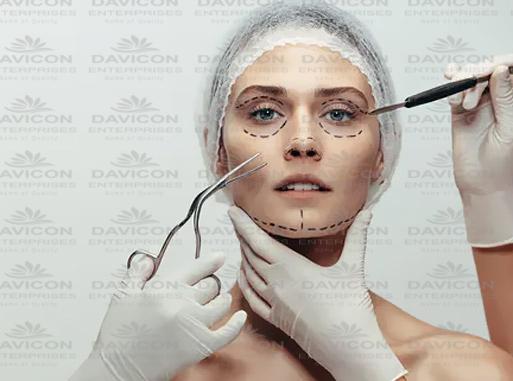
Cosmetic surgery has evolved into one of the fastest-growing fields in modern medicine. With people seeking to enhance their appearance and improve self-confidence, plastic surgery procedures have become increasingly popular. At the heart of every successful cosmetic operation lies precision, skill, and the right set of tools. Plastic surgery instruments are designed to deliver accuracy and safety, ensuring that surgeons achieve the best possible outcomes. These tools play a vital role in procedures such as facelifts, rhinoplasty, liposuction, breast augmentation, and hair transplantation.
In this comprehensive guide, we will explore the most essential surgical instruments for plastic surgery, their uses, and how they contribute to successful cosmetic outcomes. We will also highlight the importance of investing in high-quality instruments and why choosing a reliable supplier like DaviCon Surgical makes a difference.
Plastic Surgery Supplies & Instruments | Davicon Enterprises
Understanding the Role of Plastic Surgery Instruments
Plastic surgery is not just about altering appearance; it is about restoring balance, symmetry, and functionality. Whether reconstructive or cosmetic, the procedures demand precision. Specialized cosmetic surgery tools allow surgeons to perform delicate tasks such as tissue handling, dissection, suturing, and contouring. Each instrument has a specific function, and together they form the foundation of surgical excellence.
The right set of instruments minimizes tissue trauma, reduces scarring, and ensures a faster recovery for patients. Moreover, durable and ergonomic tools allow surgeons to work efficiently without fatigue. This is why investing in premium-quality plastic surgery instruments is not a choice but a necessity.
Key Categories of Plastic Surgery Instruments
Plastic surgery encompasses a wide variety of procedures, and each requires a unique set of instruments. Let’s look at the essential categories of tools used in cosmetic operations.
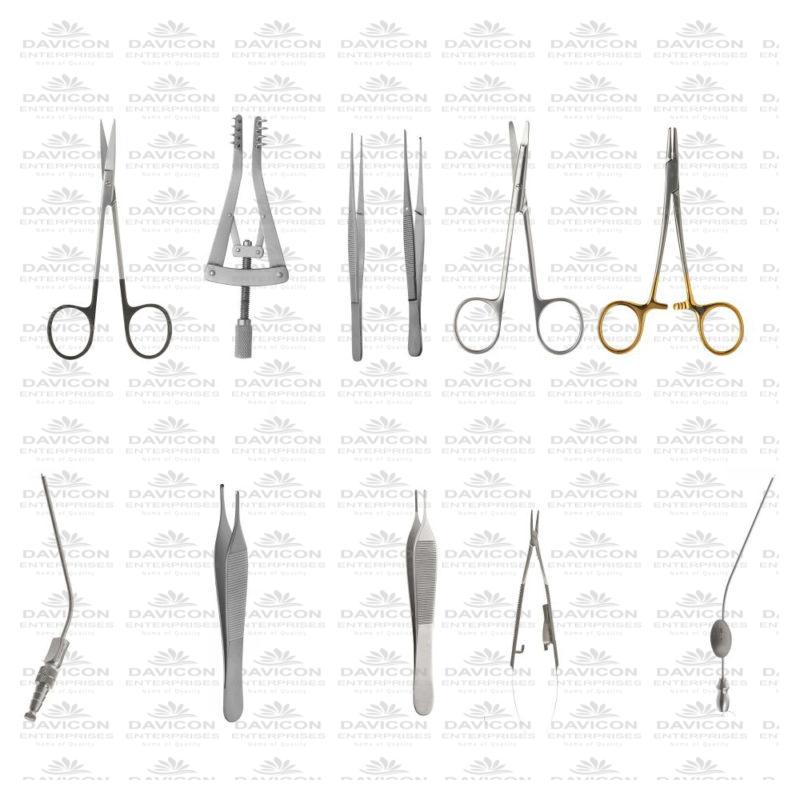
1. Cutting and Dissecting Instruments
Surgeons rely on sharp instruments to make precise incisions and separate tissues. Common cutting tools include:
Scalpels: Used for making fine incisions with minimal tissue trauma.
Surgical Scissors: Available in straight or curved designs for cutting delicate tissues or sutures.
Micro Blades: Used in delicate surgeries like hair transplants or eyelid procedures.
These instruments form the backbone of cosmetic surgeries, allowing surgeons to start and complete procedures with accuracy.
2. Grasping and Holding Instruments
During cosmetic procedures, tissues must be held securely without causing damage. Some commonly used tools include:
Forceps: Available in toothed or non-toothed designs for handling delicate skin or soft tissues.
Needle Holders: Essential for suturing incisions with precision.
Tissue Forceps: Designed to grip tissues firmly while minimizing trauma.
Without these surgical instruments for plastic surgery, maintaining accuracy during delicate operations would be impossible.
3. Retracting Instruments
Retractors are used to hold back tissues and expose the surgical area. They improve visibility and give surgeons more control. Common examples include:
Skin Hooks: Lightweight tools for retracting delicate skin layers.
Handheld Retractors: Used in facelifts, liposuction, and reconstructive surgeries.
Self-Retaining Retractors: Allow surgeons to operate without assistance by keeping tissues apart automatically.
Retractors are indispensable for complex cosmetic procedures such as facelift surgery tools and breast augmentations.
4. Suturing and Closing Instruments
Closing incisions is just as important as making them. High-quality suturing instruments ensure secure wound closure and minimal scarring.
Needle Drivers: Help in holding and guiding surgical needles.
Suture Scissors: Designed to cut sutures cleanly.
Staplers and Clips: Sometimes used for larger incisions requiring strong closure.
In cosmetic surgery, neat closure leads to aesthetically pleasing results, making these instruments critical.
Specialized Plastic Surgery Instruments by Procedure
Every cosmetic surgery has its unique demands. Let’s break down the most commonly performed procedures and the instruments they require.
Rhinoplasty Instruments
Rhinoplasty, or nose reshaping, demands extreme precision. Surgeons need specialized tools such as:
Nasal Rasps and Files for contouring bone.
Osteotomes for reshaping nasal structures.
Fine Scissors for cartilage trimming.
Retractors for better exposure.
These rhinoplasty instruments ensure natural-looking results and improved breathing functionality.
Facelift Surgery Tools
Facelift surgery aims to reduce sagging skin and restore youthful contours. Key instruments include:
Fine Forceps for skin lifting.
Scalpels for precise incisions around the hairline.
Skin Hooks and Retractors for tissue exposure.
Needle Holders for secure suturing.
With the right facelift surgery tools. surgeons can achieve smoother and tighter skin appearance.
Liposuction Instruments
Liposuction is one of the most popular cosmetic surgeries. It involves fat removal using suction techniques. Essential tools include:
Liposuction Cannulas in various sizes.
Suction Tubes and Aspirators.
Forceps for handling tissues.
Syringes for fluid management.
These liposuction instruments allow surgeons to contour the body safely and effectively.
Breast Surgery Instruments
Breast augmentation, reduction, or reconstruction requires highly specialized tools. Common instruments include:
Retractors for tissue exposure.
Surgical Scissors for cutting glandular tissues.
Needle Holders and Forceps for suturing.
Electrocautery Devices for minimizing bleeding.
High-quality breast surgery instruments ensure patient safety and symmetrical outcomes.
Hair Transplant Instruments
Hair restoration is a growing field in cosmetic surgery. Specialized tools for FUE (Follicular Unit Extraction) and FUT (Follicular Unit Transplantation) include:
Punches for follicle extraction.
Forceps for graft placement.
Implanter Pens for accurate hair insertion.
Micro Scalpels for precise incisions.
These hair transplant instruments help surgeons achieve natural-looking hairlines and improved density.
Importance of High-Quality Plastic Surgery Instruments
Using premium-quality tools is non-negotiable in cosmetic surgery. Here’s why:
Precision: High-quality tools provide consistent results.
Durability: Stainless steel instruments last longer and resist corrosion.
Safety: Quality reduces the risk of infections and complications.
Aesthetic Results: Better instruments contribute to natural-looking outcomes.
At DaviCon Surgical, every instrument is crafted with attention to detail, ensuring surgeons get the best tools for the best results.
Choosing the Right Plastic Surgery Instruments
When selecting instruments, surgeons and clinics must consider:
Material quality (surgical-grade stainless steel).
Ergonomic design for comfort.
Sterilization compatibility.
Supplier reputation and reliability.
By partnering with trusted suppliers like DaviCon Surgical, surgeons ensure they receive dependable tools that enhance performance.
Maintenance and Care of Cosmetic Surgery Tools
Even the best instruments require proper care. Key maintenance practices include:
Cleaning immediately after use.
Using approved sterilization methods.
Regular inspections for wear and tear.
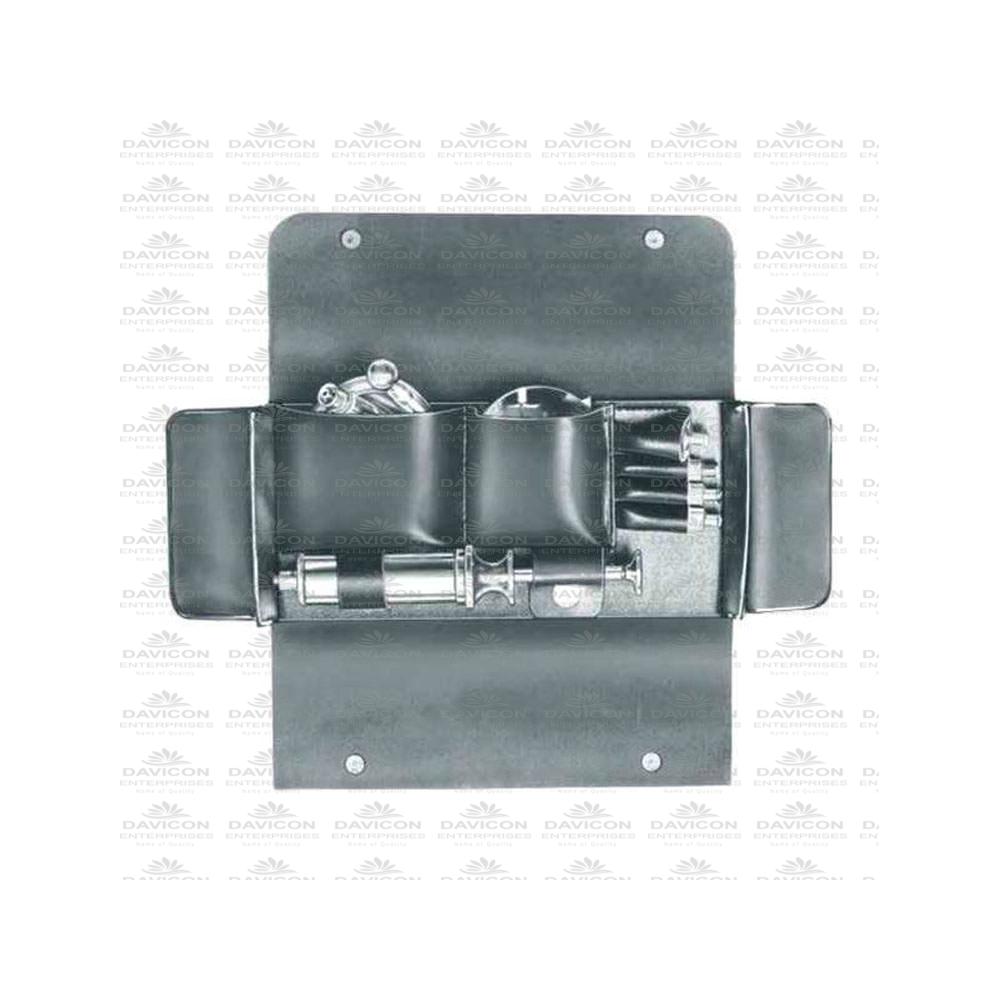
Proper storage in protective cases.
Well-maintained plastic surgery instruments not only last longer but also guarantee safer outcomes for patients.
Final Thought
Cosmetic surgery continues to grow as more people seek confidence through improved appearance. Behind every successful procedure lies the expertise of the surgeon and the reliability of the tools used. Investing in high-quality plastic surgery instruments is essential for accuracy, safety, and natural-looking results. Whether it’s rhinoplasty, facelifts, liposuction, breast surgery, or hair transplants, the right instruments make all the difference.
For surgeons and clinics looking for premium-quality instruments, DaviCon Surgical offers an extensive range of products designed to meet modern surgical demands. Explore the complete collection atshop.daviconsurgical.com
Frequently Asked Questions (FAQs)
1. What are the most commonly used plastic surgery instruments?
Commonly used instruments include scalpels, forceps, retractors, needle holders, scissors, and specialized tools like liposuction cannulas and nasal rasps.
2. Why are high-quality instruments important in cosmetic surgery?
High-quality instruments ensure precision, reduce the risk of complications, and improve aesthetic results. They also last longer and resist damage.
3. Which instruments are essential for rhinoplasty?
Essential rhinoplasty instruments include nasal rasps, osteotomes, fine scissors, and retractors for accurate nasal reshaping.
4. How do surgeons choose the right hair transplant instruments?
Surgeons select instruments based on ergonomic design, sharpness, and the ability to handle delicate follicles without damage.
5. Where can I buy premium plastic surgery instruments?
You can purchase high-quality instruments from trusted suppliers like DaviCon Surgical, known for reliability and precision tools.