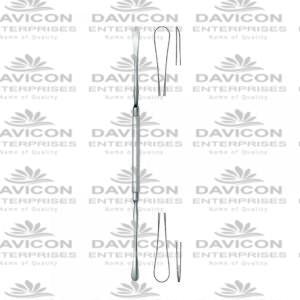
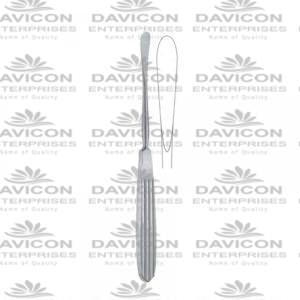
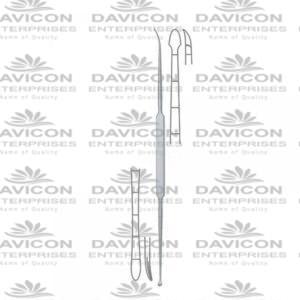
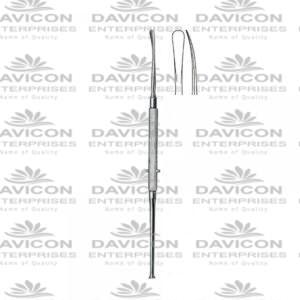
Septum Elevators – Nasal and Mucosal Dissection
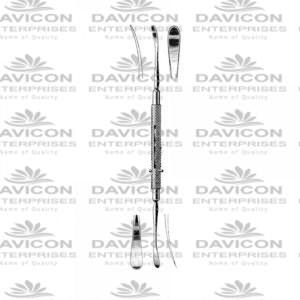
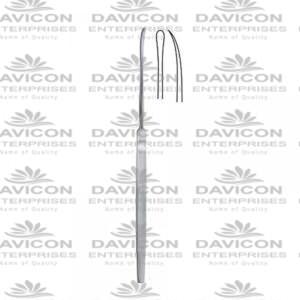
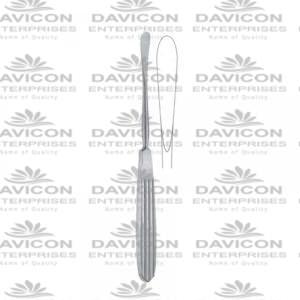
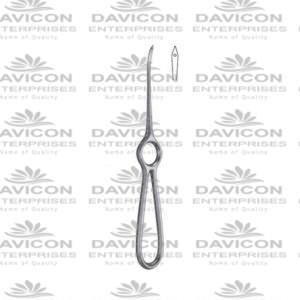
Septum Elevators are essential surgical instruments primarily used in ENT, rhinoplasty, and nasal reconstruction surgeries. These tools are engineered for the delicate task of elevating the nasal mucosa, cartilage, and perichondrium, ensuring minimal trauma to the surrounding tissues.
Designed with surgeon comfort and procedural efficiency in mind, septum elevators typically feature ergonomic handles and dual-ended tips, offering both sharp and blunt variations to cater to specific surgical needs. Their thin, flat, or slightly curved blades allow precise submucosal dissection and lifting without tearing soft tissues.
These elevators are commonly used during:
Common Types of Septum Elevators:
Freer Elevator – versatile with blunt and sharp tips
Cottle Elevator – ideal for wide tissue elevation
Killian Elevator – often used in septal flap dissection
Joseph Elevator – narrow tip for confined areas
Crafted from high-quality surgical stainless steel, these instruments are:
Applications & Benefits:
Safe and controlled mucosal lifting
Minimizes trauma during nasal flap elevation
Reduces operative time with ergonomic control
Compatible with various nasal surgeries
Enhances visibility during subperichondrial dissection