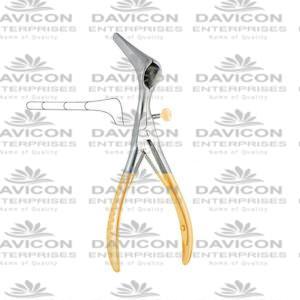
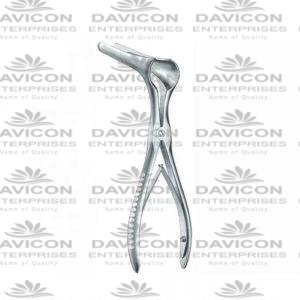
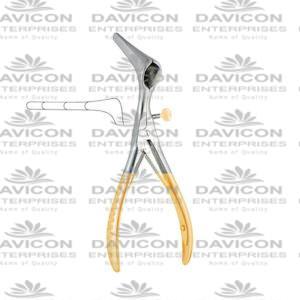
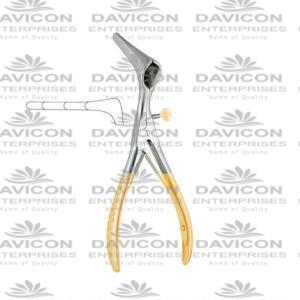
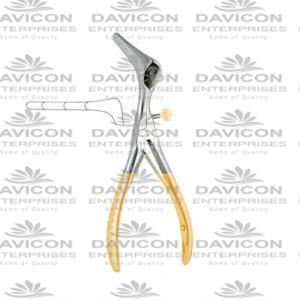
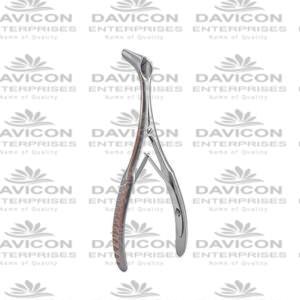
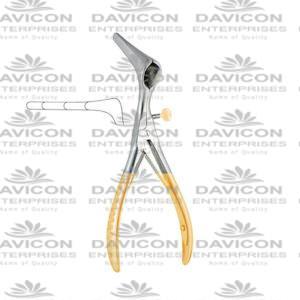
Nasal Speculums – Essential Instruments for Nasal Access and Examination
Nasal speculums are specialized instruments used to dilate the nostrils and provide visibility into the nasal cavity during medical examination or surgery. These tools are critical in ENT clinics, rhinoplasty, septoplasty, and other nasal and sinus-related procedures.
Nasal speculums allow for non-invasive internal access and are designed to hold the nostrils open, enabling the surgeon or physician to inspect, diagnose, or operate with precision and control.
Common Types of Nasal Speculums
Depending on the procedure and patient anatomy, various nasal speculums are used:
Killian Nasal Speculum – Widely used in ENT for general nasal examinations
Vienna Nasal Speculum – Double-bladed with spring tension for controlled dilation
Thudichum Nasal Speculum – Preferred for anterior rhinoscopy and minor nasal surgeries
St. Clair Thompson Speculum – Often used in children or narrow nasal passages
Insulated Nasal Speculums – Designed for electrosurgical compatibility during cauterization or polypectomy
These instruments are typically made from surgical stainless steel, and some feature adjustable screw mechanisms or spring-action for hands-free control.
Applications in Clinical and Surgical Practice
Nasal speculums are fundamental in:
Routine ENT Examinations
Anterior and Posterior Rhinoscopy
Rhinoplasty (cosmetic nose reshaping)
Septoplasty and nasal valve surgery
Foreign body removal
Polypectomy and nasal cauterization
Endoscopic sinus procedures (as part of tool access)
Their ability to gently but firmly open the nasal passages makes them vital for both diagnostics and minor procedures.
Key Features of High-Quality Nasal Speculums
Smooth edges for atraumatic insertion
Strong, spring-loaded or screw-based control
Ergonomic design for long procedures
Non-reflective finish for better visibility
Sterilizable and corrosion-resistant material
Available in multiple sizes to suit adults and pediatric patients
Why Nasal Examination Instruments Must Be Reliable
When examining or operating in the narrow and delicate nasal cavity, even minor resistance or tool malfunction can disrupt the procedure. A nasal speculum must provide:
Consistent, stable dilation
Precise control over opening pressure
Easy access for lighting and other tools
Compatibility with modern surgical standards