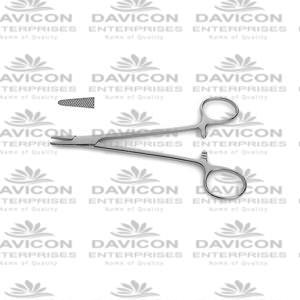
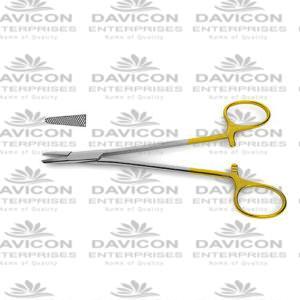
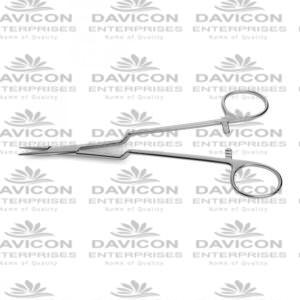
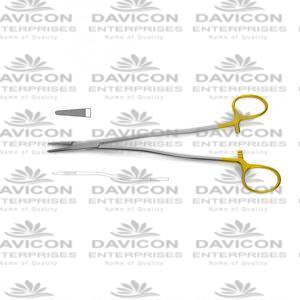
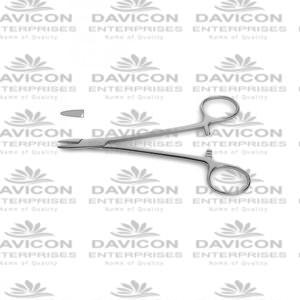
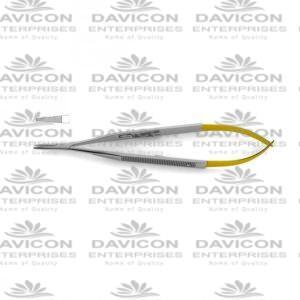
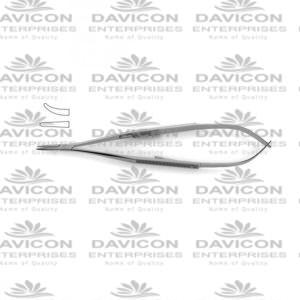
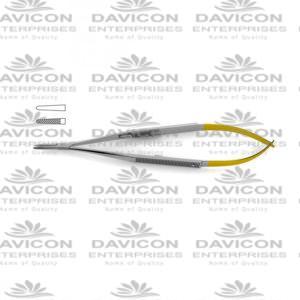
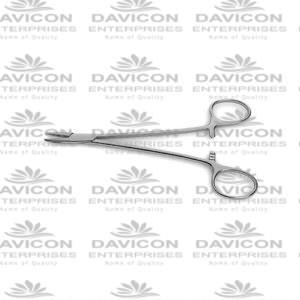
Needle Holder
The needle holder is a key surgical instrument that allows safe and steady handling of suture needles during medical procedures. It ensures minimal hand fatigue while offering maximum control, especially in high-stakes surgeries like cardiovascular, orthopedic, and general operations.
Davicon Enterprises, offer well-balanced needle holders crafted from corrosion-resistant stainless steel, ensuring long-term use in sterile environments.
Understanding the Types of Needle Holders
Needle holders are available in different forms based on jaw type, locking mechanism, and surgical use. Their variations allow surgeons to choose what best suits their precision needs and hand feel.
Some common types include:
Standard Needle Holders – Ideal for most general surgeries
Needle Holder with Scissors – Combines suturing and cutting in one tool
Fine Needle Holders – Used in microsurgical and ophthalmic cases
Curved Jaw Needle Holders – Offer better access in confined areas
Needle Holder Uses in Surgery
The primary role of a needle holder is to grasp, hold, and guide surgical needles during suturing. However, their uses extend into:
Delicate vessel or tissue handling
Microsurgery and ophthalmic procedures
Emergency wound closures
Deep-tissue stitching where access is limited
Its built-in ratchet locking and serrated jaws provide a firm grip, preventing needle slippage and ensuring clean, accurate sutures.
Why Choose a Needle Holder with Scissors?
A needle holder with scissors adds value in fast-paced environments like ERs or field surgeries where time and efficiency matter. These dual-purpose tools let surgeons switch between stitching and cutting without changing instruments – saving both time and focus.
This variation is popular in trauma care and outpatient surgical units.
Forceps-Style Needle Holders: What Makes Them Unique?
Some surgeons prefer the needle holder forceps design, which provides improved tactile feedback. These are particularly useful in fine surgeries where control and grip sensitivity are crucial.
Forceps-style holders are also commonly used in veterinary, dental, and reconstructive procedures.