Ophthalmoscopes – Instruments for Eye Examination
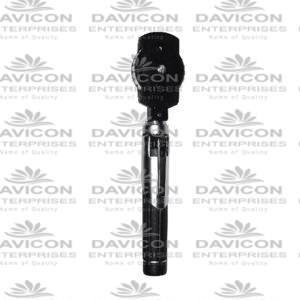
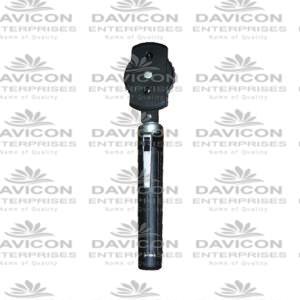
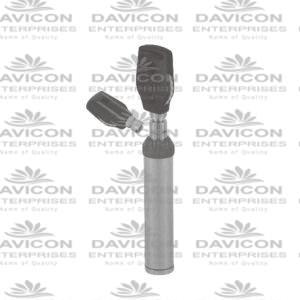
An ophthalmoscope is a vital diagnostic medical instrument used to examine the interior structures of the eye, particularly the retina, optic disc, blood vessels, and the macula. This handheld device enables doctors, especially ophthalmologists and general physicians, to detect a wide range of eye-related and systemic health conditions with clarity and precision.
Ophthalmoscopy, also known as funduscopy, is a non-invasive procedure performed using an ophthalmoscope. The examination helps detect conditions such as glaucoma, diabetic retinopathy, macular degeneration, retinal detachment, hypertensive retinopathy, and more. It is also used during general health check-ups to assess neurological health, as changes in the optic nerve can indicate brain disorders.
Types of Ophthalmoscopes
There are primarily two types of ophthalmoscopes used in clinical practice:
Direct Ophthalmoscope:
This is a compact, handheld device that offers a magnified and upright image of the eye’s interior. It is ideal for use in routine exams and emergency care. The direct ophthalmoscope provides a field of view of about 5 degrees and is widely used by general practitioners and internists.
Indirect Ophthalmoscope:
This version is usually head-mounted and used with a condensing lens. It provides a wider field of view and a reversed image of the retina. Indirect ophthalmoscopy is especially useful for examining the peripheral retina and is commonly used by ophthalmologists in specialized eye exams.
Features and Technology
Modern ophthalmoscopes are equipped with features such as LED illumination, adjustable apertures, filters, and diopter settings to allow for clear and customizable views of the eye’s structures. Some advanced models also support digital imaging, allowing doctors to capture high-resolution images for further analysis or documentation.
Many digital ophthalmoscopes are compatible with computers or smartphones, making them useful for telemedicine and remote diagnostics, particularly in rural or underserved areas.