Dermatoscopes & Otoscopes: Essential Tools for Accurate Diagnosis
In the world of medical diagnostics, dermatoscopes and otoscopes are two vital instruments that aid healthcare professionals in examining the skin and ears with precision. These tools play a key role in early detection and diagnosis, helping to improve patient outcomes across various healthcare settings, from general practice to specialized clinics.
Dermatoscopes
A dermatoscope is a handheld device used primarily by dermatologists to examine skin lesions, moles, and other skin abnormalities. It works by magnifying the skin and providing illumination, either polarized or non-polarized, allowing doctors to view structures beneath the skin’s surface that are not visible to the naked eye.
Dermatoscopes are crucial in the early detection of skin cancers, particularly melanoma, which can be life-threatening if not diagnosed early. By analyzing the shape, color, and pattern of skin lesions, dermatologists can differentiate between benign and malignant growths, reducing the need for unnecessary biopsies.
Modern dermatoscopes may also include digital imaging features, enabling doctors to take high-resolution photos for documentation, comparison, or teledermatology consultations. This makes follow-up assessments more effective and improves patient care.
Otoscopes
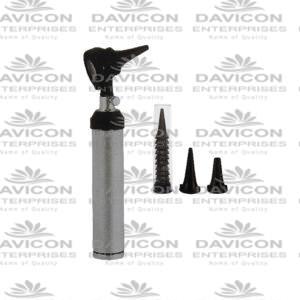
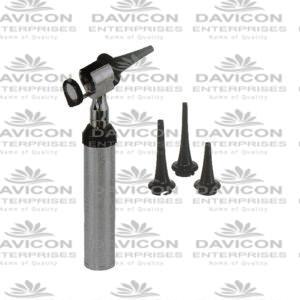
An otoscope is a diagnostic instrument used to examine the ear canal and tympanic membrane (eardrum). It is commonly used in both adult and pediatric care to detect ear infections, wax buildup, perforated eardrums, and other ear-related issues.
Otoscopes typically consist of a light source, a magnifying lens, and a disposable speculum that is inserted into the ear canal. The light helps illuminate the inner ear, while the lens provides a magnified view for accurate observation.
They are indispensable tools for ENT specialists and general practitioners, especially in diagnosing otitis media (middle ear infections), which are particularly common in children. Early detection through otoscopy can prevent complications such as hearing loss or the spread of infection.
Some advanced otoscopes also feature digital displays and smartphone connectivity, allowing for enhanced visualization and easy sharing of images for second opinions or patient records.