Plastic Filling Instruments
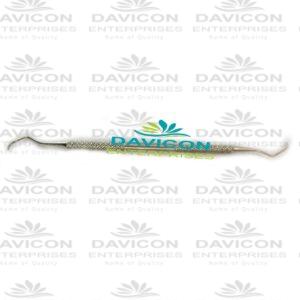
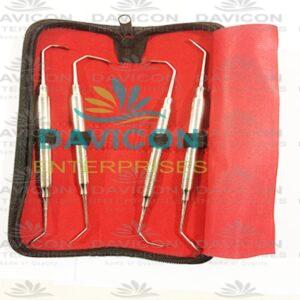
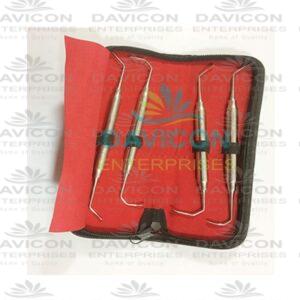
Plastic filling instruments are essential dental tools used to place, shape, and contour dental restorative materials such as composite resins and glass ionomer cements. These instruments are designed to handle soft filling materials and help dentists restore the natural shape and function of teeth after decay or damage. Typically made from high-grade stainless steel or coated with non-stick materials like titanium. They offer durability, precision, and resistance to sticking during procedures.
Davicon Surgical, provide a range of high-quality plastic filling instruments suitable for restorative and cosmetic dentistry. Our instruments ensure smooth handling and accurate placement of fillings, making them a reliable choice for dental professionals worldwide.
Types of Plastic Filling Instruments
Single-ended Filling Instruments
These tools have one working end and are ideal for performing precise tasks in small restorations or tight spaces. Dentists use them when only one type of action is needed, making them perfect for focused, controlled application of filling materials.
Double-ended Filling Instruments
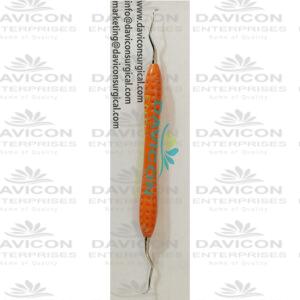
These instruments have two different working ends, offering versatility during dental procedures. Each end is shaped for a specific task such as applying, shaping, or contouring the filling material allowing dentists to switch quickly without changing tools, saving time and improving workflow.
Non-stick Coated Instruments
These instruments are coated with materials like titanium nitride or Teflon, which prevent composite materials from sticking to the instrument. This is especially useful when working with resins or adhesives, ensuring smooth application and reducing waste or pulling of material during placement.
Plastic Composite Instruments
Specifically engineered for aesthetic and cosmetic dental work. These instruments provide excellent control when shaping or contouring composite fillings. They’re typically made with non-metallic or coated materials to avoid leaving marks on the filling and to support a more natural-looking restoration.
Key Features
Non-stick surfaces for easy handling of composite materials
Ergonomic handles for comfortable grip and precision
Autoclavable and corrosion-resistant material
Multiple sizes and shapes for different restoration needs